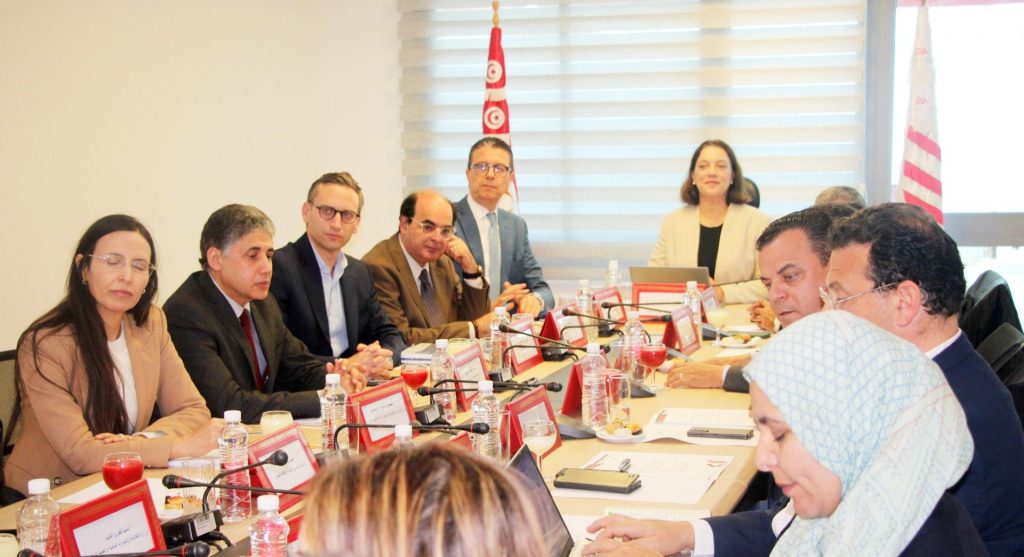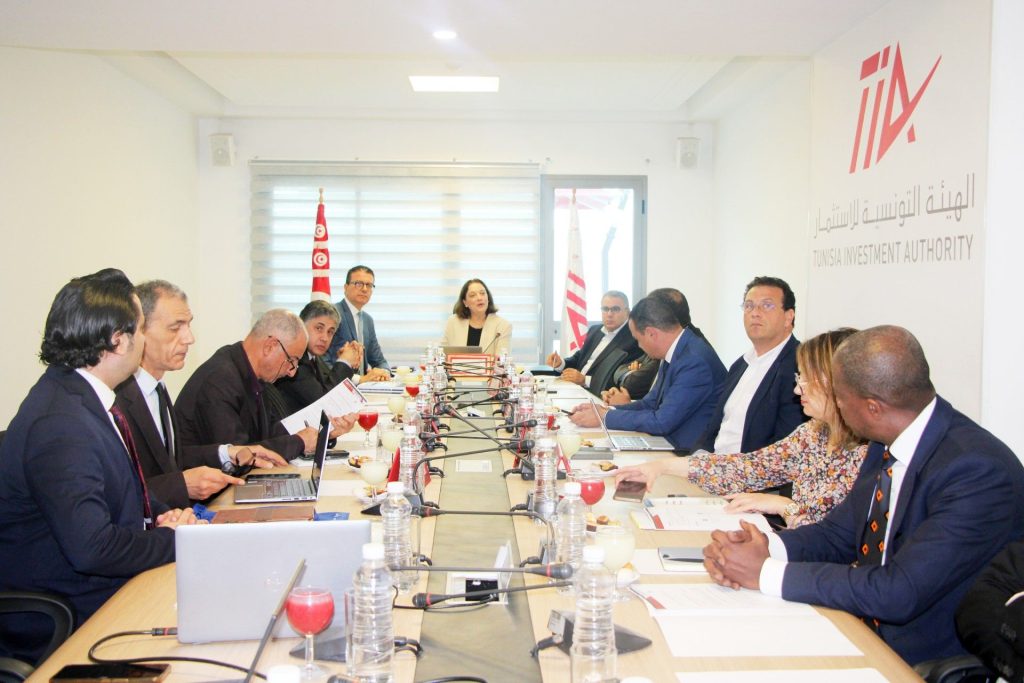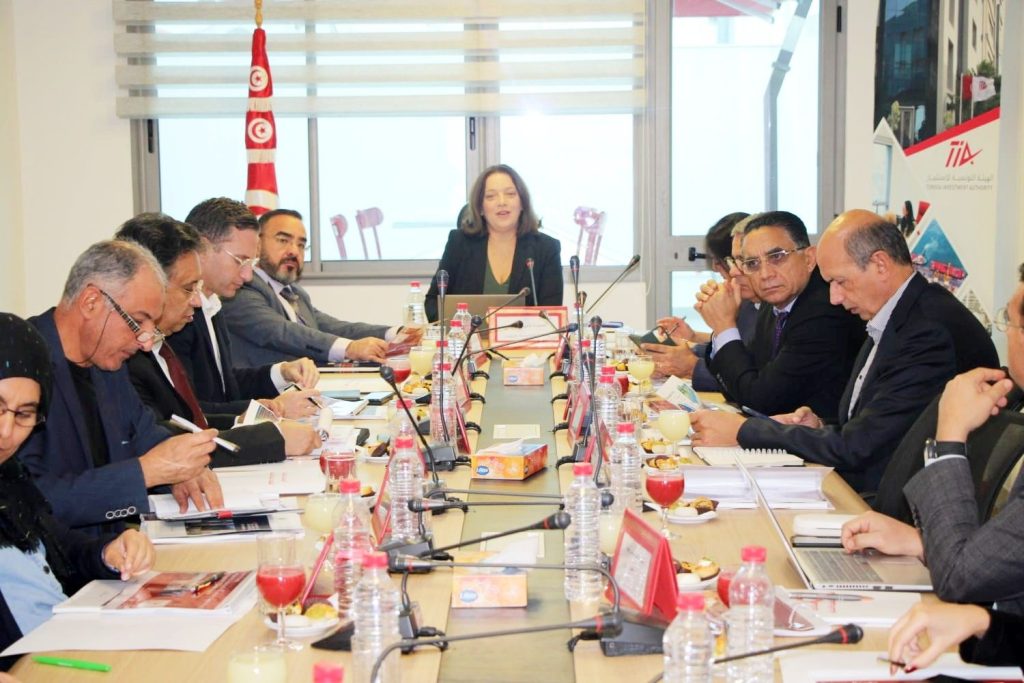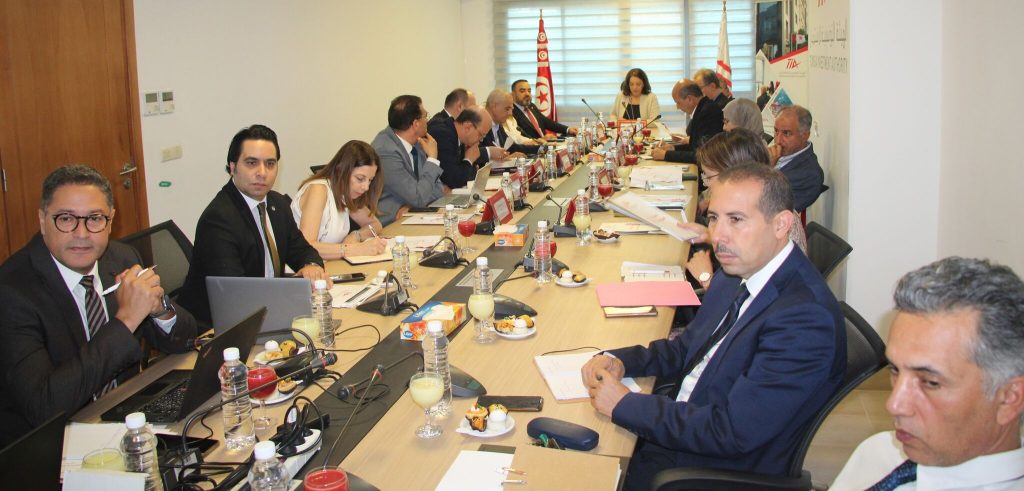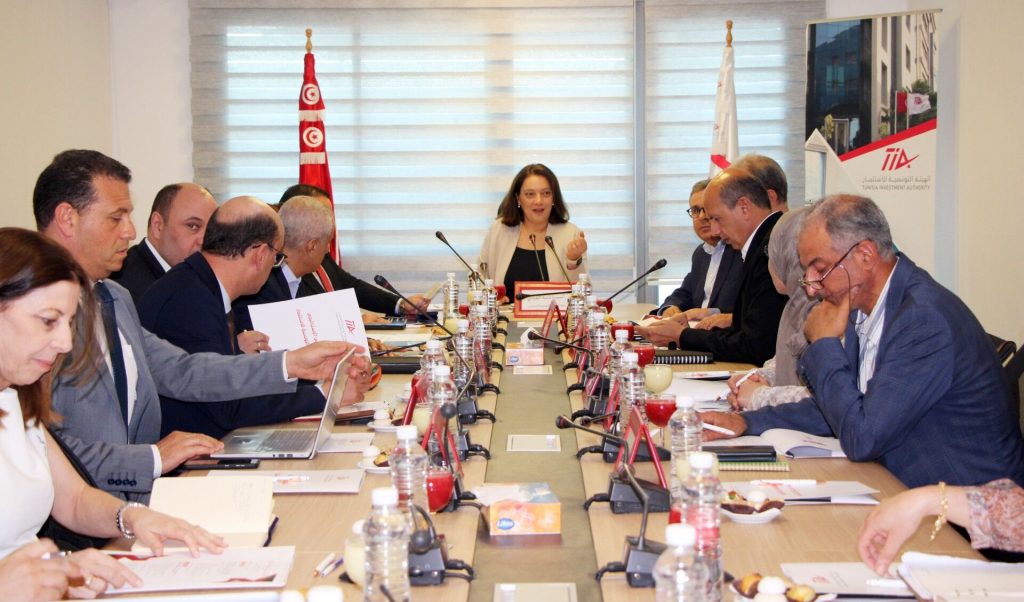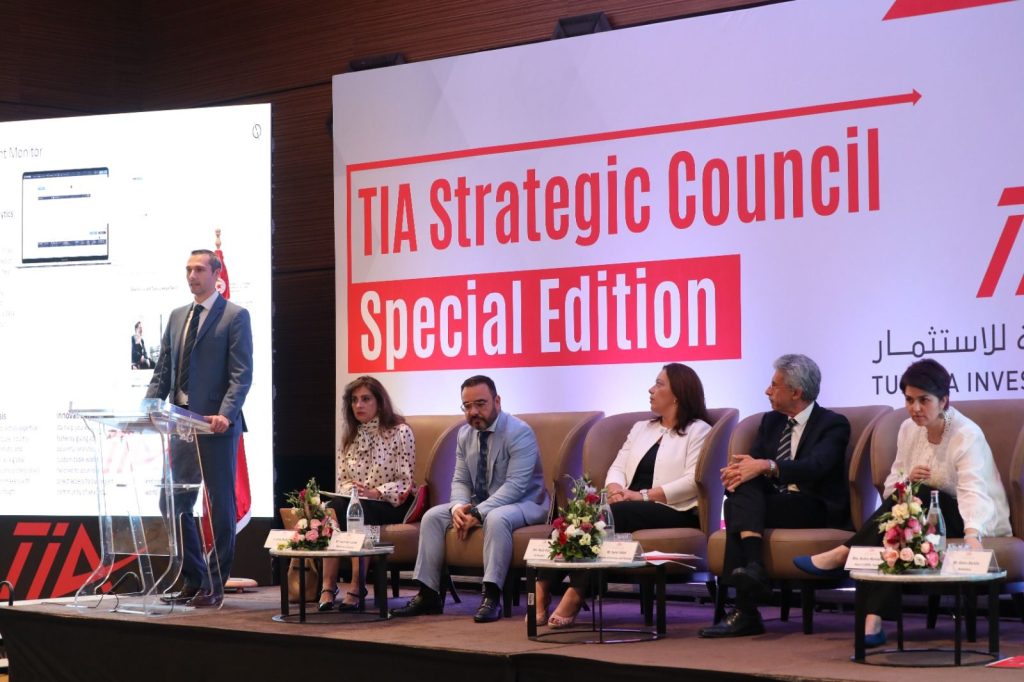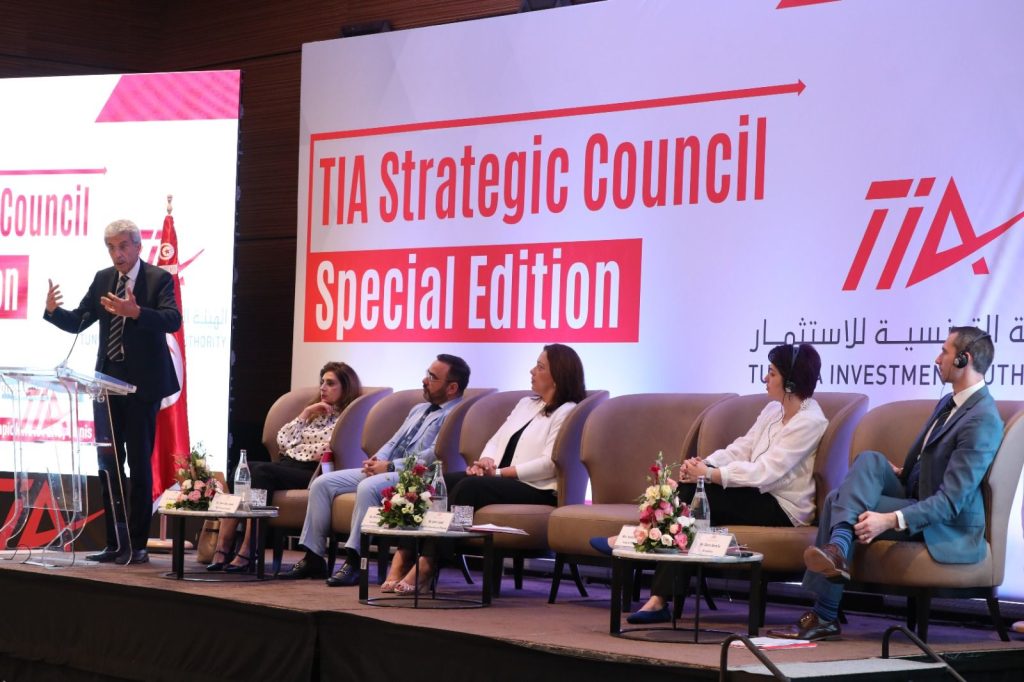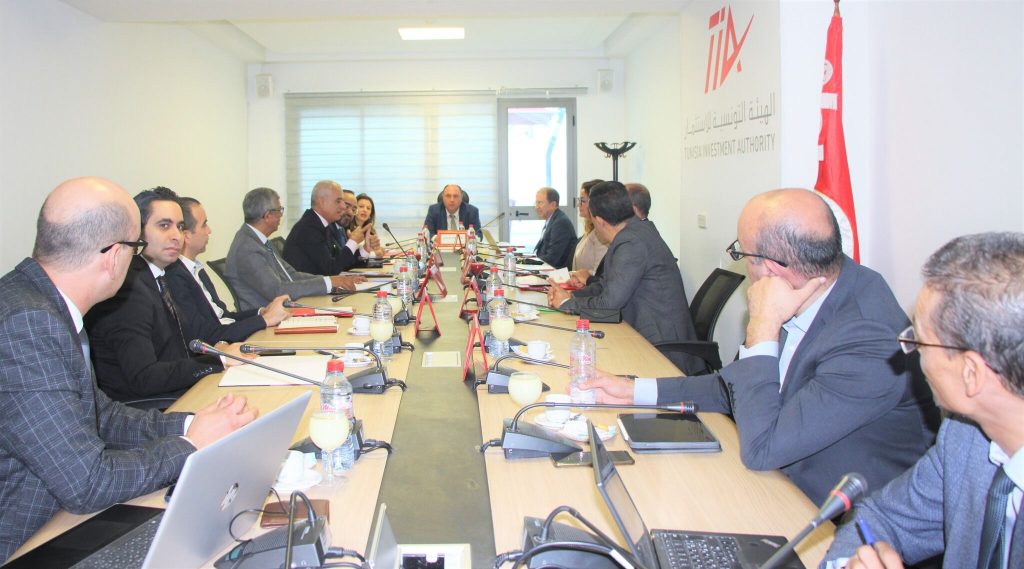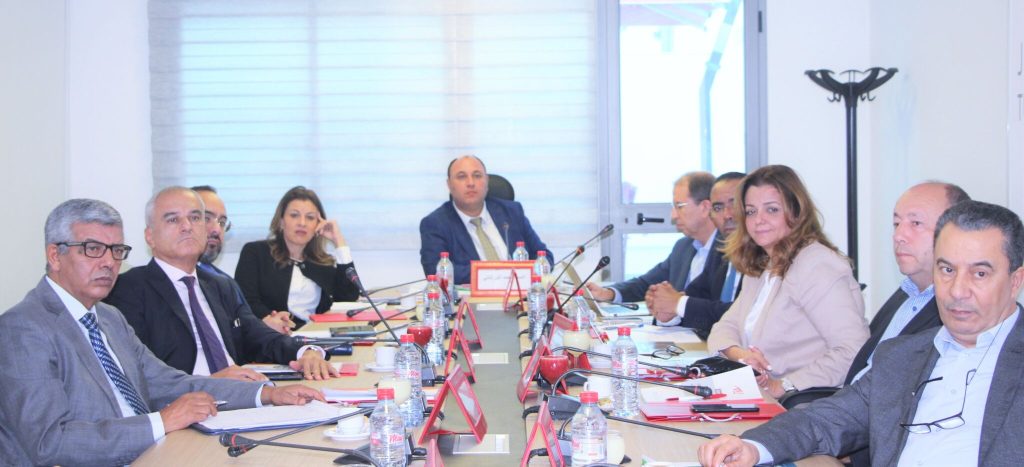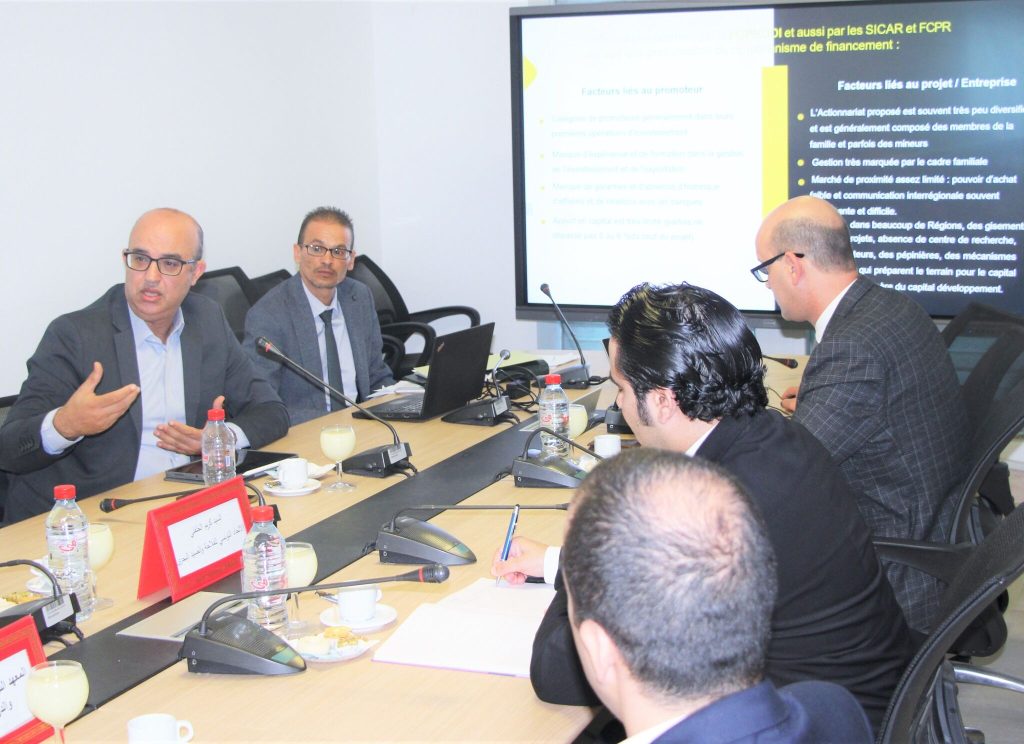
The strategic council is chaired by the president of the authority. It is composed of representatives of the public sector and the private sector selected on the basis of their experience and of their competence in the field of investment. The strategic council is notably in charge of:
The TIA strategic council sessions focus on key reforms, topics, and reports vital to enhancing Tunisia’s investment climate. These sessions brought together government officials, private sector representatives, and experts to discuss various subjects including legislative reforms, investment policy assessments, and strategies for improving the business environment.
The council’s work emphasized the importance of digital transformation, financial incentives, and reducing bureaucratic obstacles to make Tunisia a more attractive destination for both local and international investors. presented below some examples of strategic council sessions:

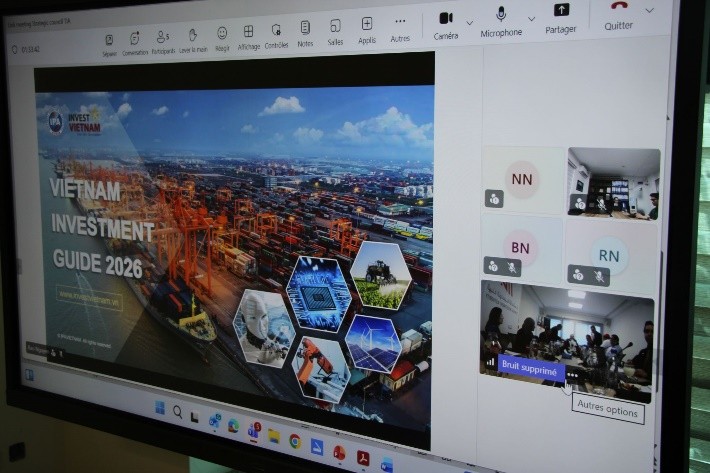
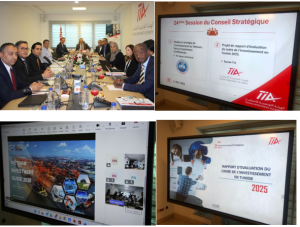
This session focused on Vietnam’s experience in attracting foreign direct
investment (FDI), and reviewing the draft report on the assessment of
Tunisia’s investment framework for 2025.
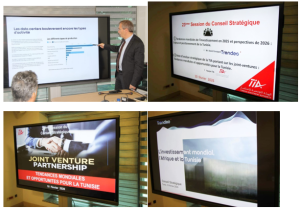
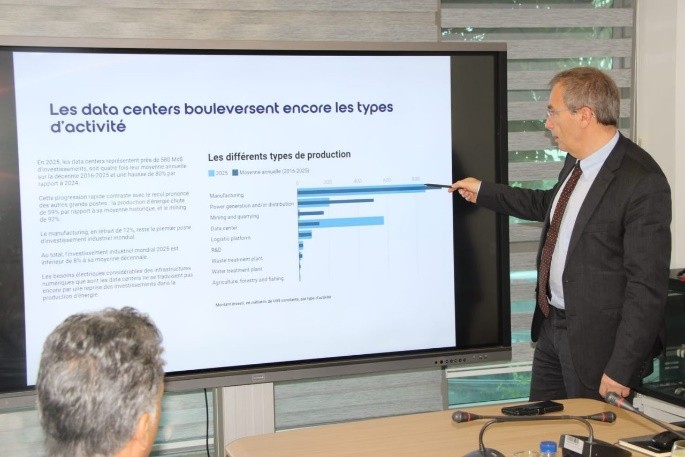
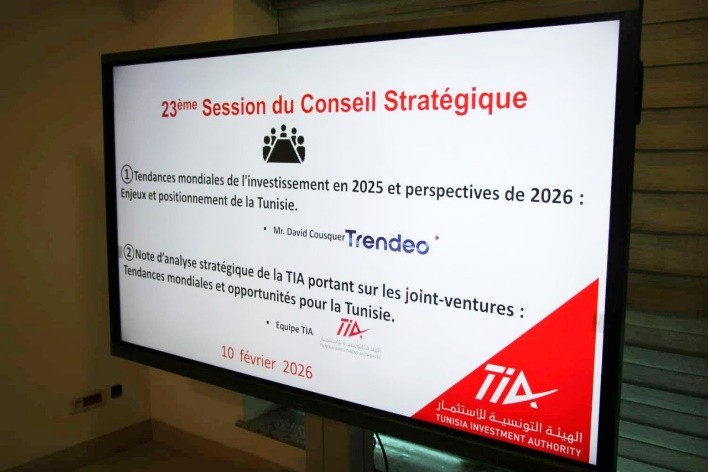
This session focused on two key strategic themes shaping Tunisia’s investment
landscape. The first theme addressed global investment trends throughout 2025
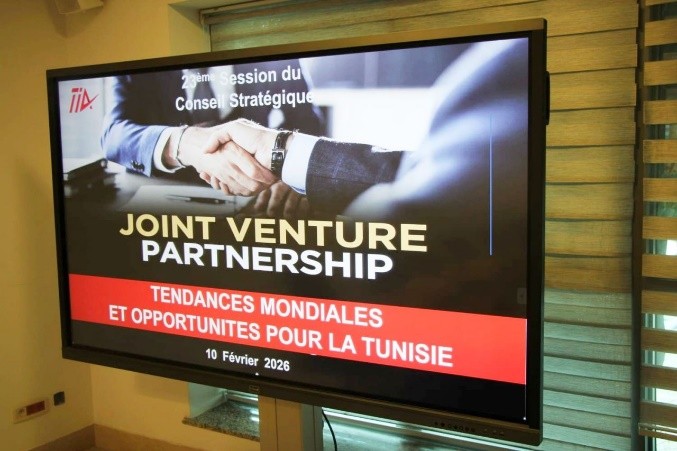
and the projections for 2026. The second theme was dedicated to TIA’s strategic
analysis note on joint ventures, considered a key lever for integration into
global value chains.
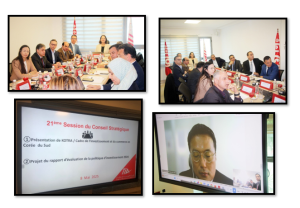
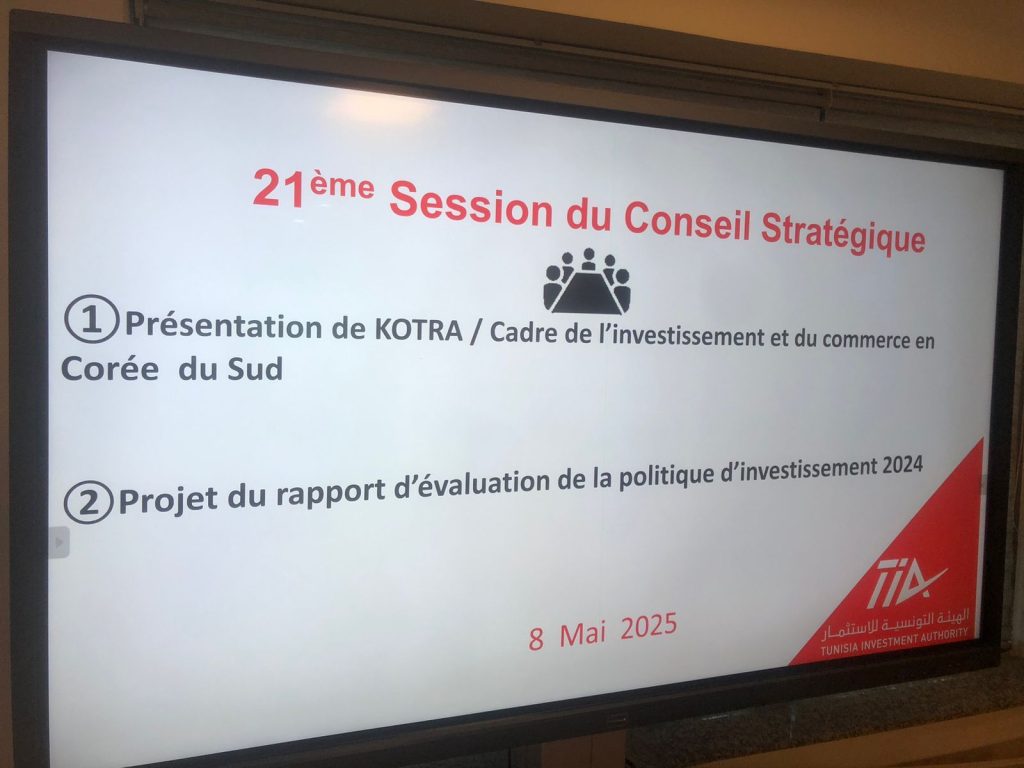
This session focused on enhancing investment attractiveness and opportunities
for cooperation between Tunisia and South Korea presented by Mr. Myoung Chul JANG,
Director General of the Korea Trade-Investment Promotion Agency (KOTRA) in Algeria,
alongside a presentation of the draft 2024 Investment framework evaluation Report.
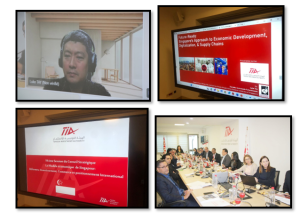
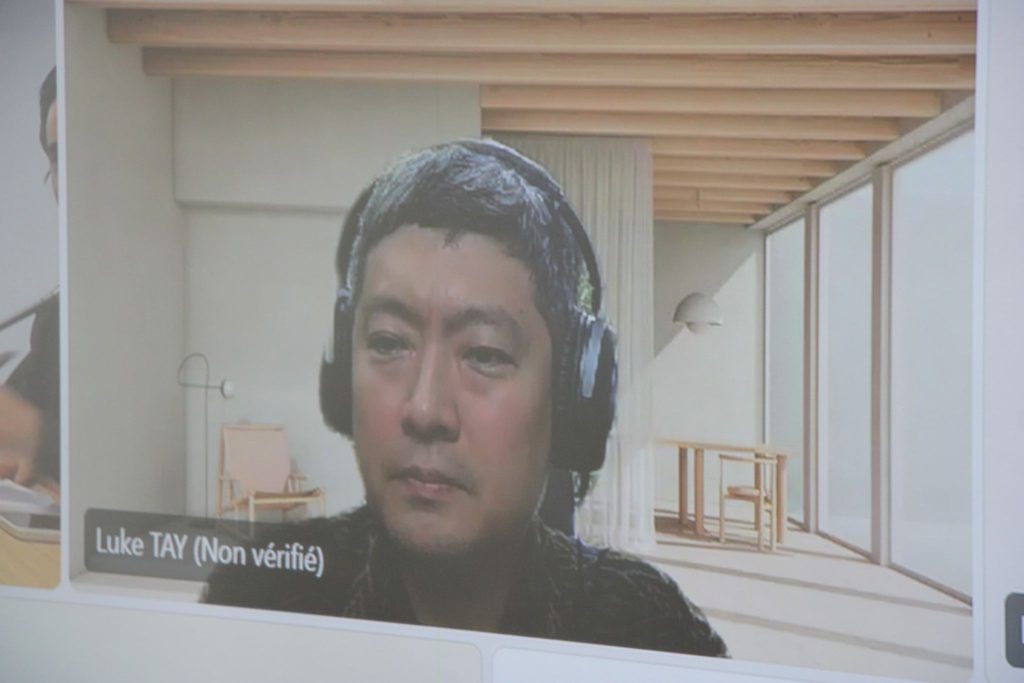
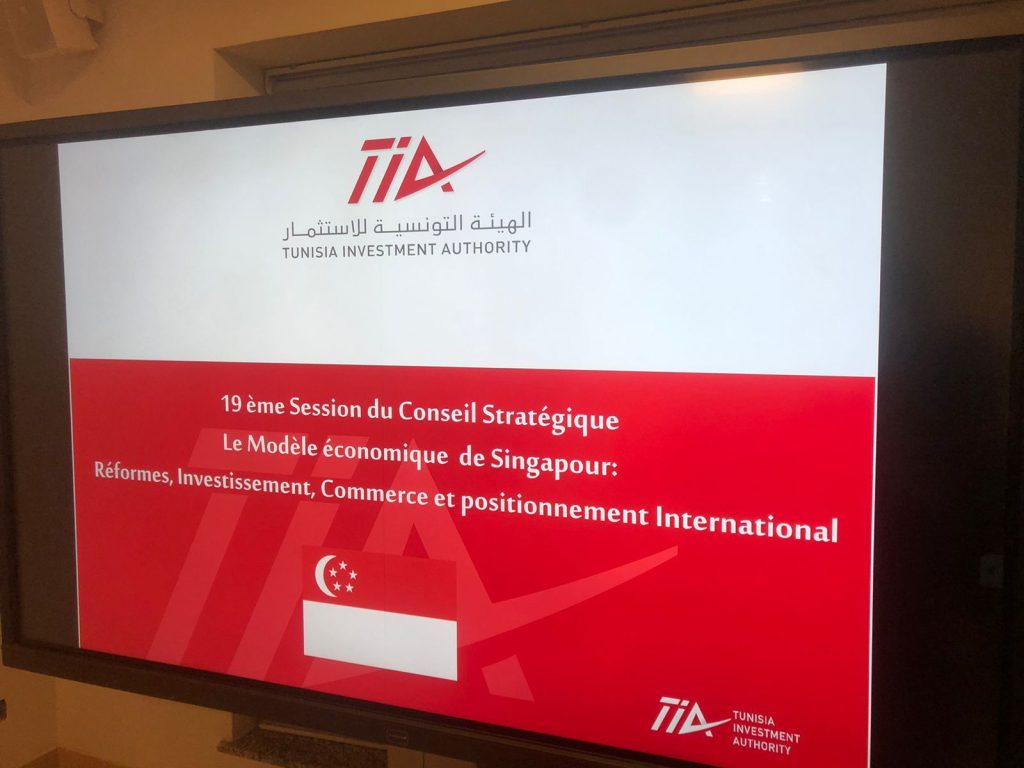
During this session, international expert Luke Tay presented Singapore’s
economic model, highlighting the effective reforms that transformed the country
into a key hub for investment and trade. Recommendations were made to stimulate
economic growth and boost investment and trade, drawing inspiration from
Singapore’s economic model while adapting it to the Tunisian context.
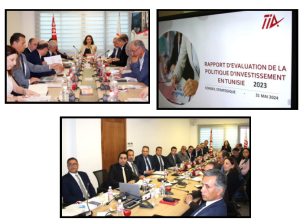
The 18th session featured discussions on recent international investment trends,
as presented by Mr. David Cousquer of Trendeo. The session also examined the
2023 investment policy evaluation report, with strategic recommendations aimed
at boosting Tunisia’s attractiveness to investors.
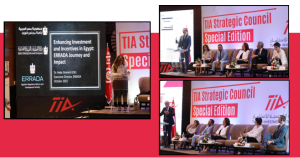
The session focused on two crucial themes: global investment trends during the first seven months of 2023, presented by Glenn Barklie from Global Data, and the reforms undertaken to improve the business climate in Egypt, with a particular focus on the “Golden License” initiative, presented by Dr. Heba Shahein,
Director General of Errada. The discussions were marked by a constructive exchange between representatives of the public and private sectors, resulting in key recommendations aimed at improving the investment climate in Tunisia.
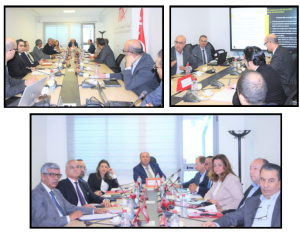
The 14th session was dedicated to evaluating and diagnosing the participation mechanism in capital, particularly within the Tunisian Investment Fund (TIF).
-Discussions centered on improving this mechanism to better facilitate SME financing, in alignment with governmental measures aimed at enhancing the business climate.
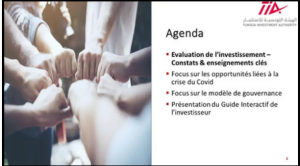
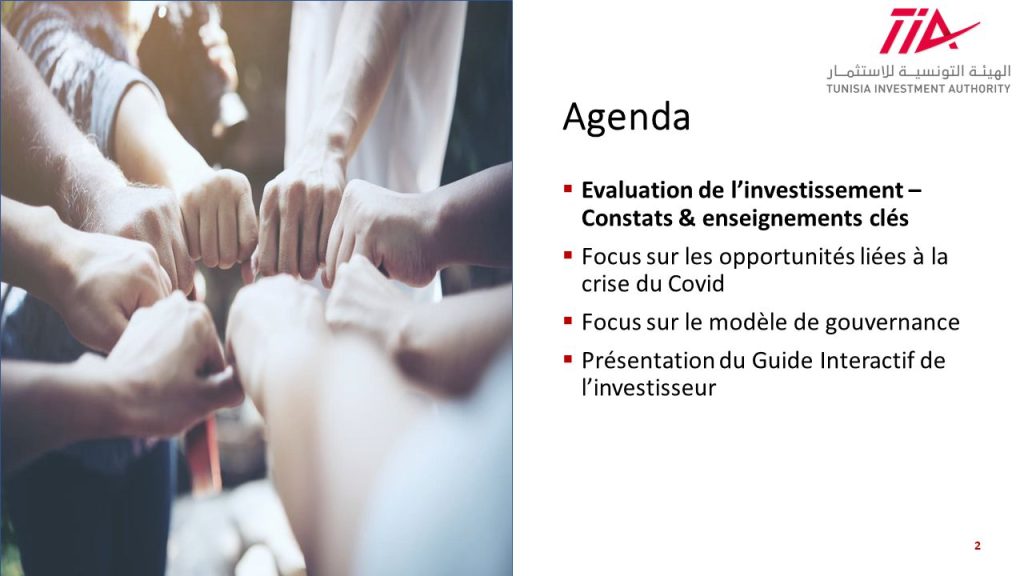
This digital session reviewed the 2020 investment policy evaluation report, highlighting key lessons and priority reforms to improve the business climate.
-The session also explored opportunities related to the COVID-19 crisis, focusing on resilience, digital transition, and the green economy, particularly in relation to EU investment trends.
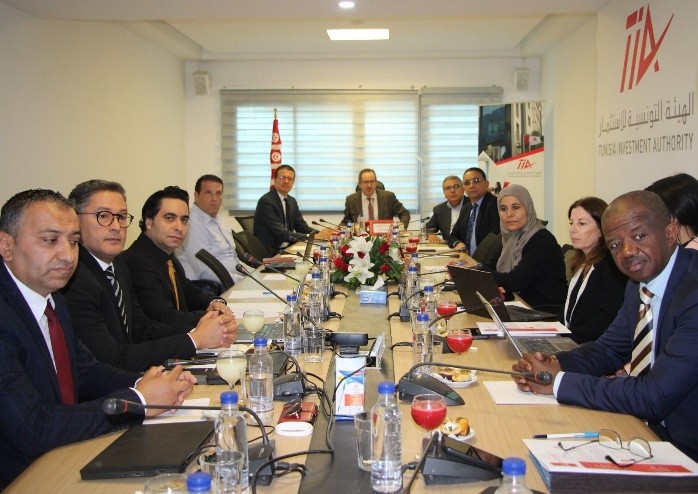
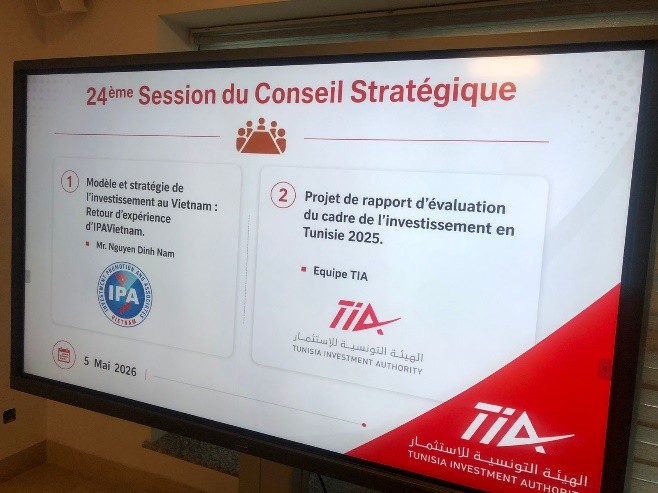
This session focused on Vietnam’s experience in attracting foreign direct investment (FDI), and reviewing the draft report on the assessment of Tunisia’s investment framework for 2025.
This session focused on two key strategic themes shaping Tunisia’s investment landscape. The first theme addressed global investment trends throughout 2025 and the projections for 2026. The second theme was dedicated to TIA’s strategic analysis note on joint ventures, considered a key lever for integration into global value chains.
This session focused on enhancing investment attractiveness and opportunities for cooperation between Tunisia and South Korea presented by Mr. Myoung Chul JANG, Director General of the Korea Trade-Investment Promotion Agency (KOTRA) in Algeria, alongside a presentation of the draft 2024 Investment framework evaluation Report.
During this session, international expert Luke Tay presented Singapore’s economic model, highlighting the effective reforms that transformed the country into a key hub for investment and trade. Recommendations were made to stimulate economic growth and boost investment and trade, drawing inspiration from Singapore’s economic model while adapting it to the Tunisian context.
The 18th session featured discussions on recent international investment trends, as presented by Mr. David Cousquer of Trendeo. The session also examined the 2023 investment policy evaluation report, with strategic recommendations aimed at boosting Tunisia’s attractiveness to investors.
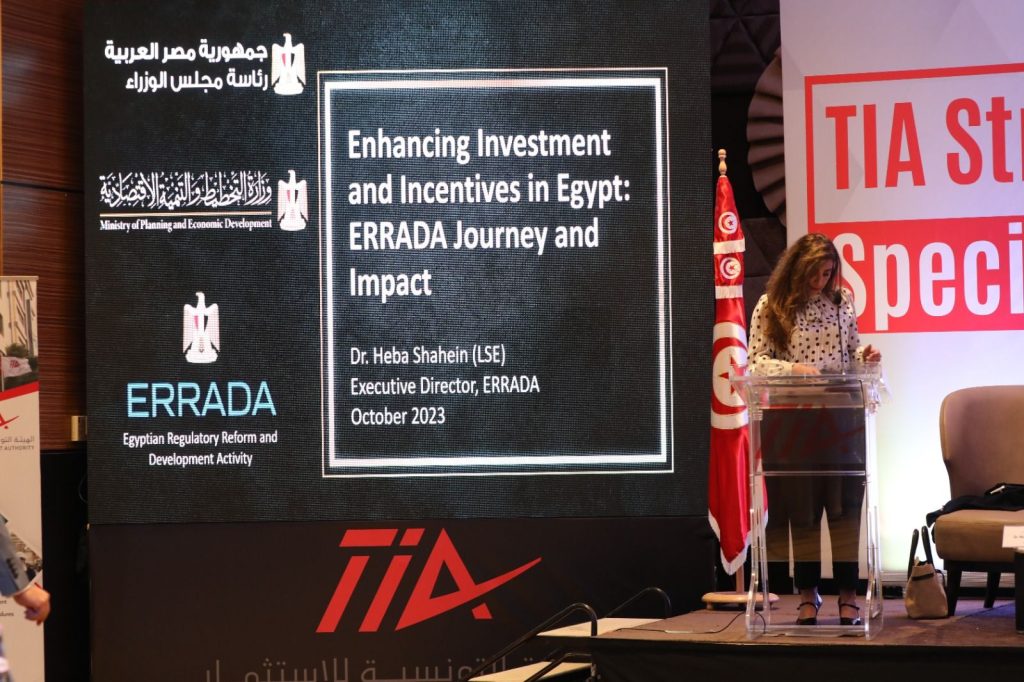
The session focused on two crucial themes: global investment trends during the first seven months of 2023, presented by Glenn Barklie from Global Data, and the reforms undertaken to improve the business climate in Egypt, with a particular focus on the “Golden License” initiative, presented by Dr. Heba Shahein, Director General of Errada. The discussions were marked by a constructive exchange between representatives of the public and private sectors, resulting in key recommendations aimed at improving the investment climate in Tunisia.
The 14th session was dedicated to evaluating and diagnosing the participation mechanism in capital, particularly within the Tunisian Investment Fund (TIF). Discussions centered on improving this mechanism to better facilitate SME financing, in alignment with governmental measures aimed at enhancing the business climate.
This digital session reviewed the 2020 investment policy evaluation report, highlighting key lessons and priority reforms to improve the business climate. The session also explored opportunities related to the COVID-19 crisis, focusing on resilience, digital transition, and the green economy, particularly in relation to EU investment trends.
Strategic monitoring in the field of investment is an essential decision-making tool. It involves the systematic, organized, and continuous tracking of information sources related to regional and global investment. This approach helps to detect changes, trends, and weak signals that may influence a country’s attractiveness to investors.
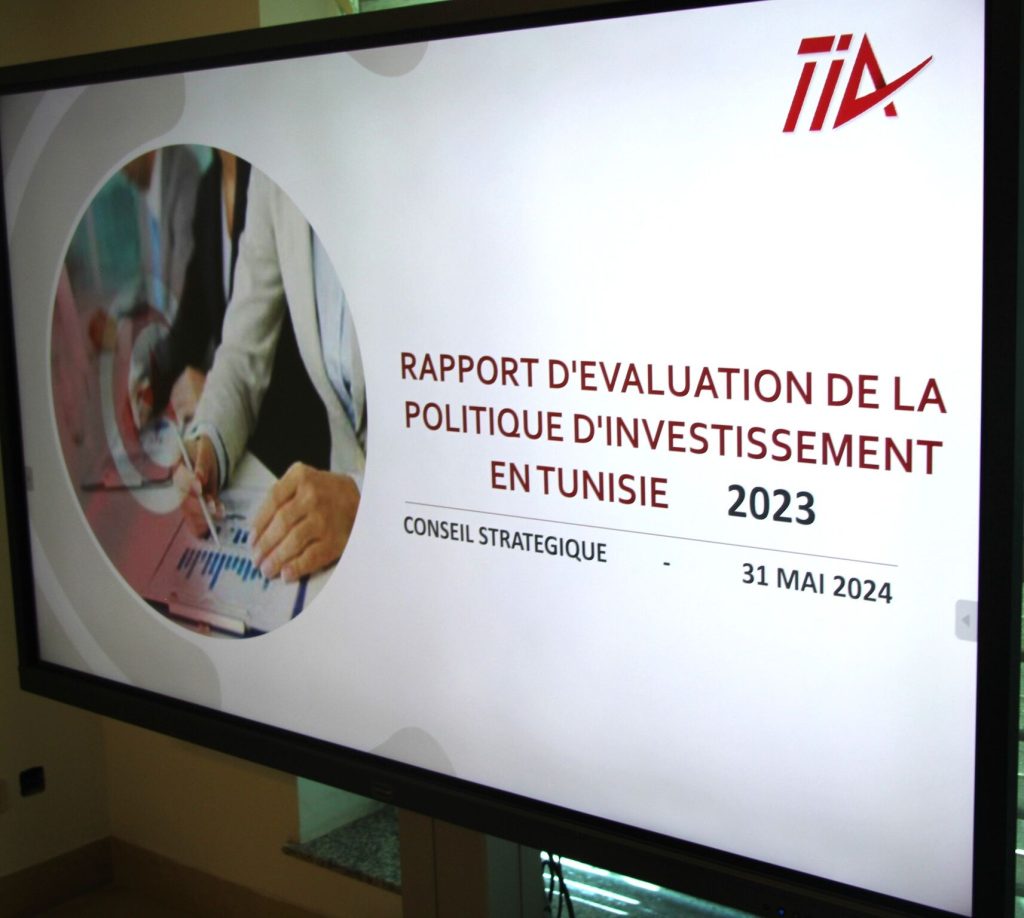
The Investment Framework Evaluation Report is part of a comprehensive review of the national investment climate, taking into account a dynamic and volatile international context.
The purpose of this report is to analyze the economic and investment environment in Tunisia, drawing on outputs from both public and private stakeholders, and adopting a comparative approach to assess the dynamism of investment.
The report is structured around an analysis of the economic situation and a combined quantitative and qualitative evaluation of investment. It benchmarks Tunisia’s position across various investment pillars against that of its competitors, using a range of international reports and strategic monitoring tools.
It also emphasizes the main reforms implemented to improve the investment framework, taking into consideration the perception of the private sector.
The Tunisia Investment Authority elaborated 7 Investment Framework Evaluation Reports for the years: 2019 - 2020 - 2021 - 2022 - 2023 - 2024 and 2025.